



By a traveller who’s clocked more dusty kilometres here than they can count!
Botswana is a southern African country that will spoil your wandering soul. The iconic wildlife, moonscape salt pans, and impressive range of landscapes are what many travellers’ dreams are made of.
If you’re visiting for the first time, deciding what to see can feel overwhelming. This guide highlights the top spots and includes where they sit on the map, how easy (or not) it is to reach them, and what makes each one worth the trip.
Text and photos by Deb Hendricks, an adventurous traveller with deep expertise in African destinations, especially Botswana’s top wildlife parks and cultural highlights.
- 1. The Okavango Delta
- 2. Linyanti Wildlife Reserve
- 3. Chobe National Park
- 4. Central Kalahari Game Reserve
- 5. Makgadikgadi Pans National Park
- 6. Nxai Pan National Park
- 7. Tsodilo Hills
- 8. Mashatu Game Reserve in Tuli Block
- 9. Khama Rhino Sanctuary
- 10. Kgalagadi Transfrontier Park
- Pulling It All Together
- A Final Word
- Related Posts on Top African Destinations
1. The Okavango Delta
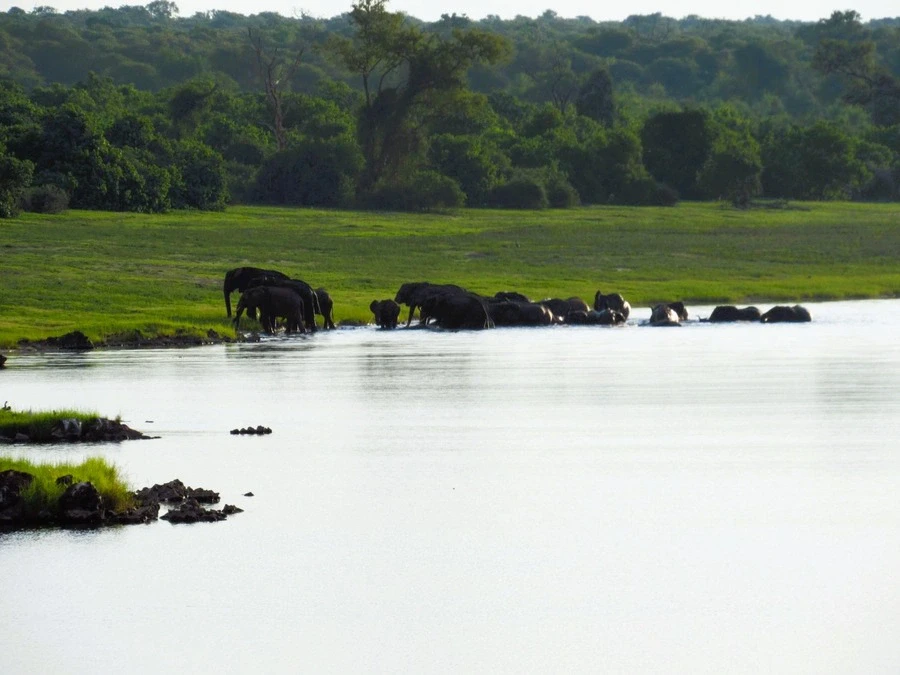
Where: In northwestern Botswana, fanning out from the panhandle toward Maun.
Getting there: Take an organized safari tour or rent a 4×4 and drive in. Or opt for a bush flight from Maun or Kasane to one of the various small air strips around the Delta.
Why it’s a must‑see: The Okavango Delta is a UNESCO World Heritage Site that turns from a shallow desert basin into a floating Eden each year. Elephants, big cats, and myriad African animals and birds call the flood‑fed waterways home. Any time of year is magical, but flood season is over the top.
Exploring by mokoro canoe puts you at frog‑eye level with the water lilies and lets you share the space with the hippos. Add on a land safari or 2, and you have a front row seat to one of the most gently wild places on the planet.
Plus, there are fly‑in camps that feel impossibly remote. Drink coffee while watching the African sun come up, and you’ve got the ultimate “this is Africa” experience.
Read also: Must-See Places to Visit in Kenya
2. Linyanti Wildlife Reserve
Where: In northwestern Botswana, wedged between the eastern edge of the Caprivi Strip (Namibia) and Chobe National Park.
Getting there: A one‑hour light‑aircraft hop from Maun or Kasane drops you on a tiny airstrip. Overland access exists but is a multi‑day 4×4 slog best left to seasoned self‑drivers.
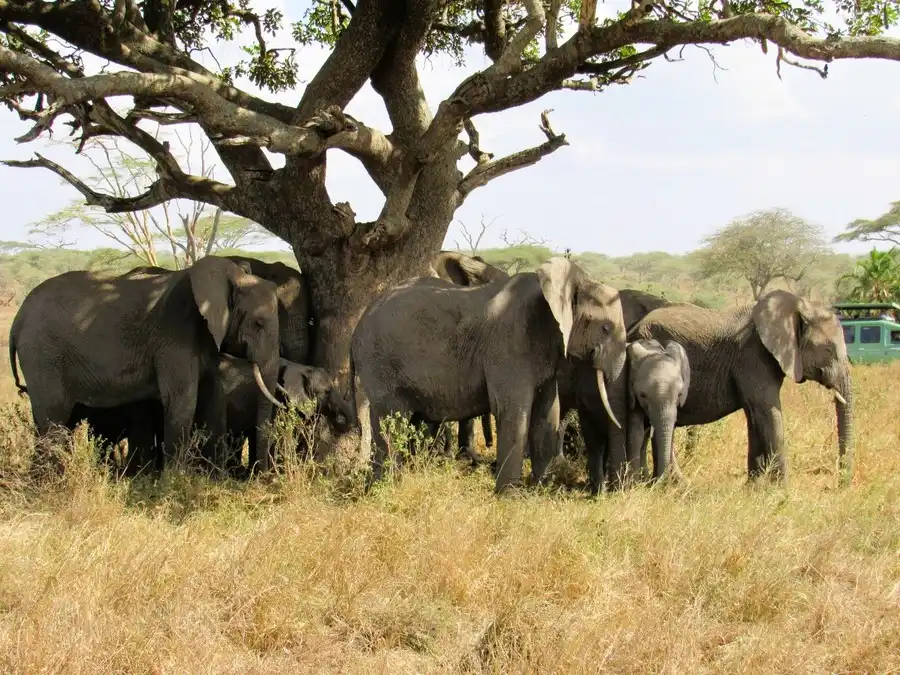
Why it’s a must‑see: Linyanti’s maze of river channels, papyrus swamps, and dry mopane woodland attracts some of the country’s densest concentrations of elephants.
There are also high odds of spotting wild‑dog packs, lion prides, and leopards that recline in the riverbank trees. Fewer lodges mean fewer vehicles, so wildlife sightings can feel like private performances, with a soundtrack of bell frogs and distant fish‑eagle calls.
3. Chobe National Park
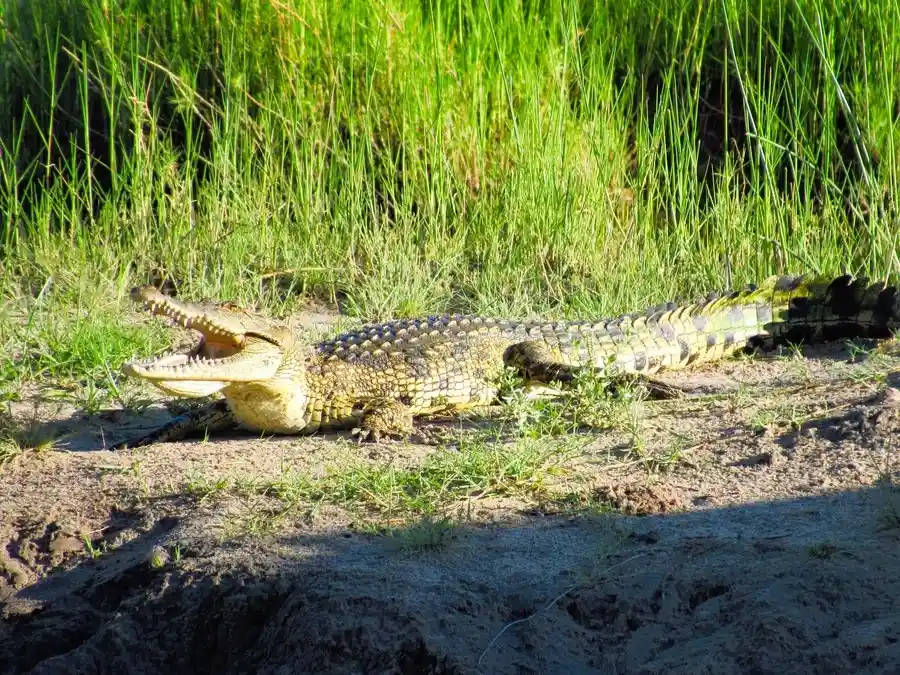
Where: In the northeast section of Botswana, along the Chobe River between Kasane and Namibia.
Getting there: The Kasane Airport sits about ten minutes from the park gate, and the roads are fully paved for drivers. You can also reach Kasane from Victoria Falls in roughly two hours by road and ferry.
Why it’s a must‑see: Each day, huge elephant herds file down to the river to drink, bathe, and jostle for space in the shallows. A sunset boat cruise lets you photograph crocs and wading birds at eye level – no bone‑rattling roads necessary.
Bring a long lens and extra memory cards; you’ll want to capture every trunk splash and golden reflection. Beware of finger cramps!
4. Central Kalahari Game Reserve
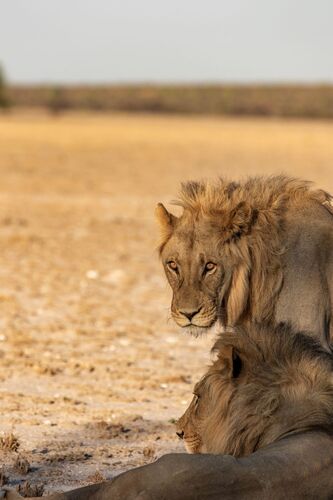
Where: Right in the centre of Botswana, 250 km south of Maun.
Getting there: Travel only by 4×4, and you’ll need extra fuel, water, and an appreciation for remote Africa. Some operators run fully catered mobile safaris if you’d rather not self‑drive. My favourite is Bushways Safaris.
Why it’s a must‑see: The Kalahari Reserve is all about wide‑open skies, rolling grassveld, and an almost tangible quiet. See the famous black‑maned lions and watch springbok herds ripple in the haze of heat.
After dark, the Milky Way arches so low you’ll feel like you can reach out and touch it.
5. Makgadikgadi Pans National Park
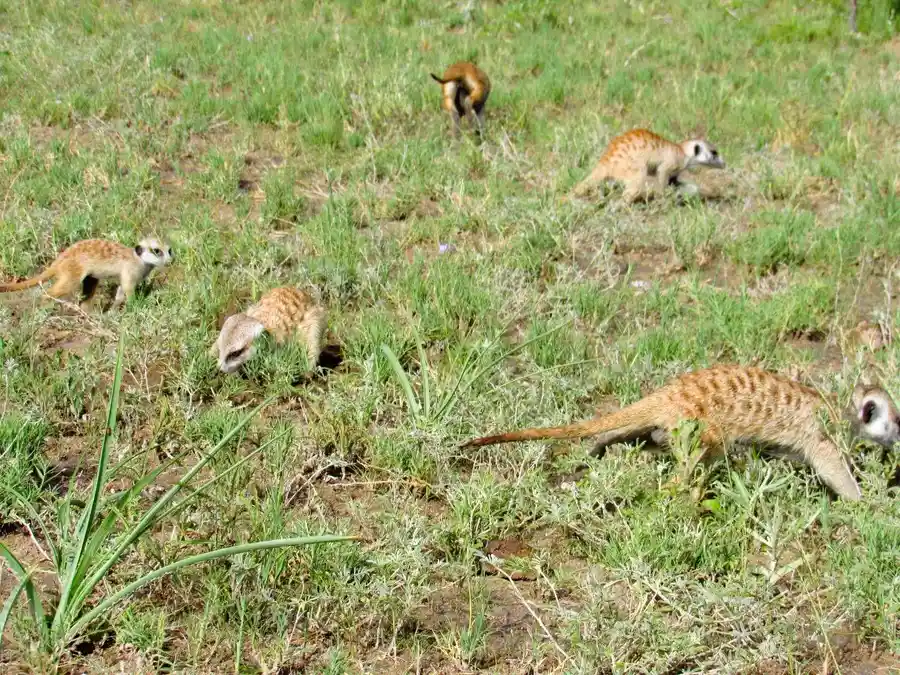
Where: In northeast Botswana, a part of the larger Kalahari Desert ecosystem.
Getting there: It’s a two-hour drive from Maun, first on the A3, then graded tracks into the park. Dry season river crossings can be soft, so if you’re driving yourself, be sure to deflate your tires (the company you rent from can instruct you here).
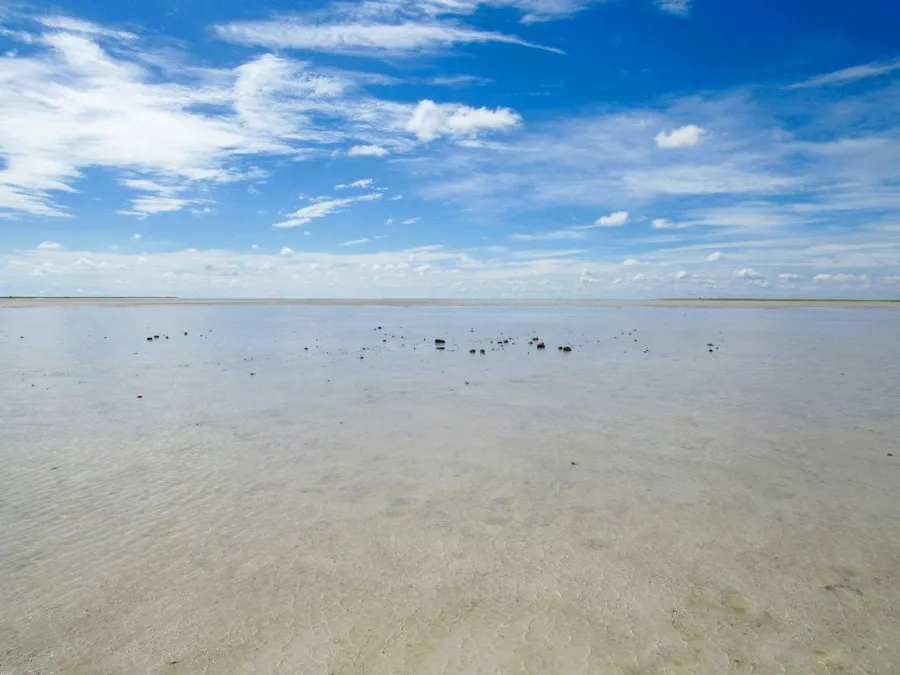
Why it’s a must‑see: Approaching Makgadikgadi Pans feels like you’ve stepped onto another planet – just a blinding-white salt flat stretching to every horizon.
When summer rains roll in, zebras and wildebeest move across the pans with predators close behind. In the dry months, you can quad‑bike over the crust by day and sleep under a bright blanket of stars at night.
Toss in a morning visit to a meerkat colony and you’ve got a spectacular Botswana experience.
6. Nxai Pan National Park
Where: The park is just north of Makgadikgadi and west of Gweta.
Getting there: A smooth main road takes you to the gate. Inside it’s soft sand to some of the campsites or lodges. You can opt for a transfer from Maun if you stay at Planet Baobab (this is true for Makgadikgadi Pans National Park, as well.)
Why it’s a must‑see: Nxai’s signature sight is the Baines’ Baobabs. The seven mammoth trees were first and famously sketched in 1862 by Thomas Baines, and they still stand guard over the pan.
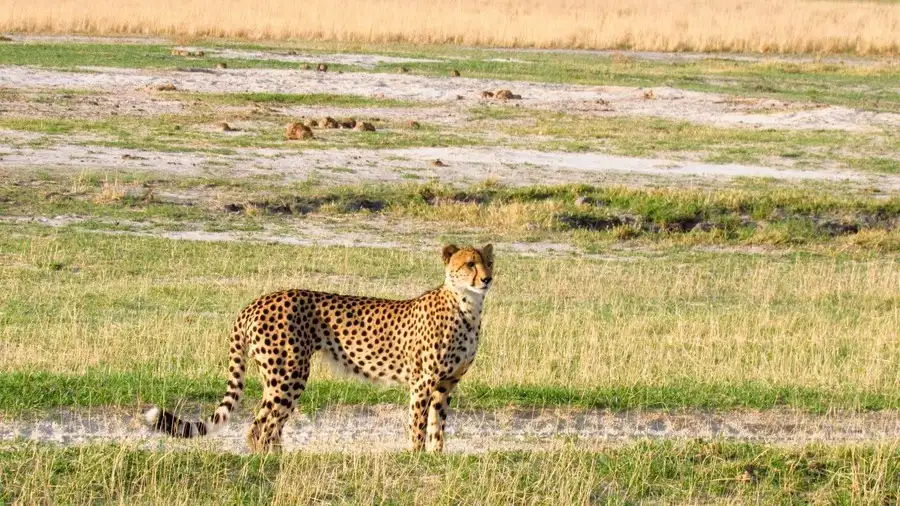
From July to November, wildlife migrates to the waterholes, giving cheetahs and other predators clear hunting grounds. It’s an unforgettable spectacle to witness.
7. Tsodilo Hills
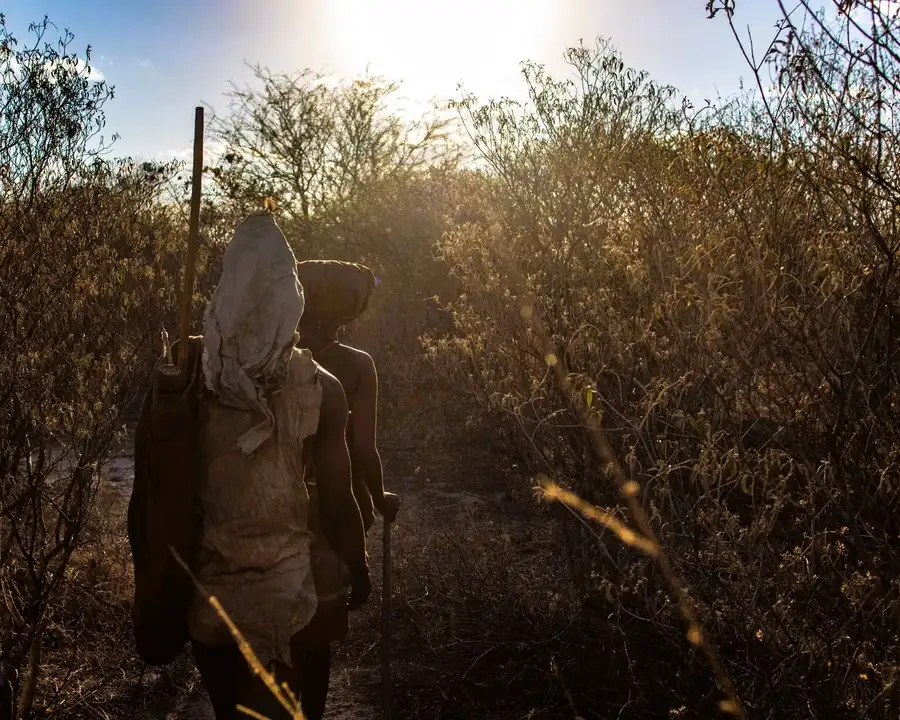
Where: Far northwest corner of Botswana, near the Namibian and Angola borders.
Getting there: You’ll take a gravel detour off the A35, about 4-5 hours from Maun. A 2WD sedan can manage in the dry season, but rain turns the track sloppy.
Why it’s a must‑see: The UNESCO World Heritage Sites features four quartzite outcrops – dubbed Male, Female, Child, and North Hill – rising sharply from pancake flat bush. They shelter more than 4,000 rock paintings, some of them as much as 20,000 years old.
Walk with a San guide who will blend the area’s local folklore with its geology. It feels like every overhang holds a chapter in our human story.
8. Mashatu Game Reserve in Tuli Block
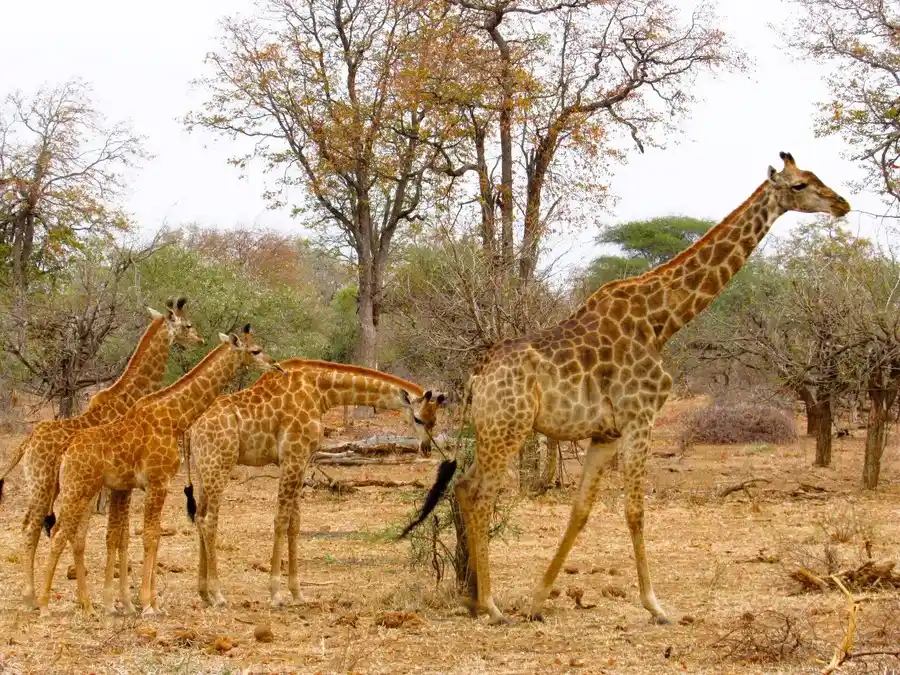
Where: In eastern Botswana, where South Africa and Zimbabwe meet.
Getting there: Most travellers land at Polokwane, South Africa and cross into the reserve at Pont Drift. In dry months, you can drive through Limpopo’s sandbed. Otherwise, you’ll be ferried by a cable car. Charter flights from Johannesburg also land within the reserve.
Why it’s a must‑see: The reserve is a bit of a hidden gem, with a blend of basalt outcrops, giant fig trees, and open riverbeds that attract cheetahs, elephants, and an impressive number of raptors.
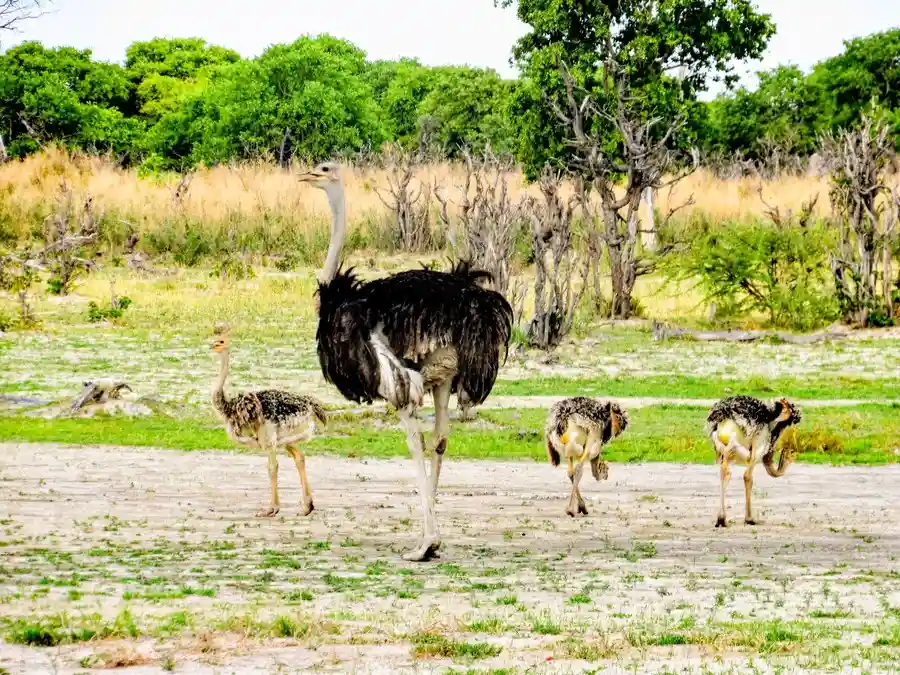
Mashatu is known as the Land of the Giants thanks to seven outsized residents: elephants, giraffes, lions (Africa’s largest cats), ostriches (the biggest birds), kori bustards (the heftiest birds that can still get airborne), eland (the heaviest antelope), and the massive baobab trees anchoring the scenery.
Try a guided mountain bike safari that lets you pedal among them!
9. Khama Rhino Sanctuary
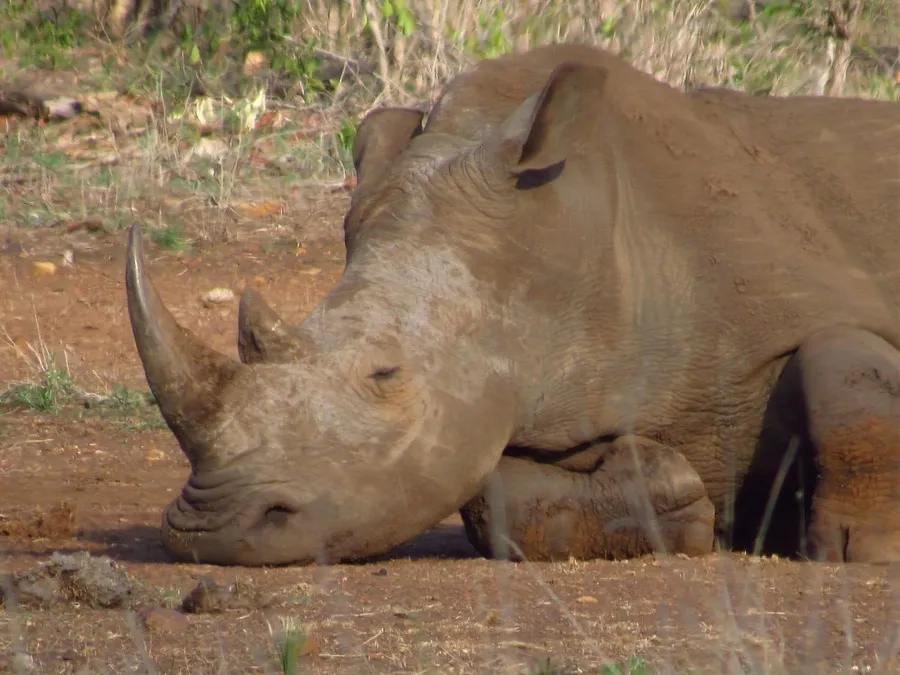
Where: Find it just outside Serowe, in central Botswana surrounded by the Kalahari sandveld.
Getting there: Drive about four hours north of Gaborone on the A14. The last stretch is tarred right up to the gate, and is drivable in a sedan.
Why it’s a must‑see: Rhinos, particularly black rhinos, are endangered across Africa. This community‑run sanctuary acts as a safe haven for the animals, and as a breeding centre.
The sanctuary also features an environmental education centre, on‑site campsites and chalets, and its own restaurant.
Self‑drive routes loop past salt pans where both white and black rhinos graze, permitting prime viewing.
10. Kgalagadi Transfrontier Park
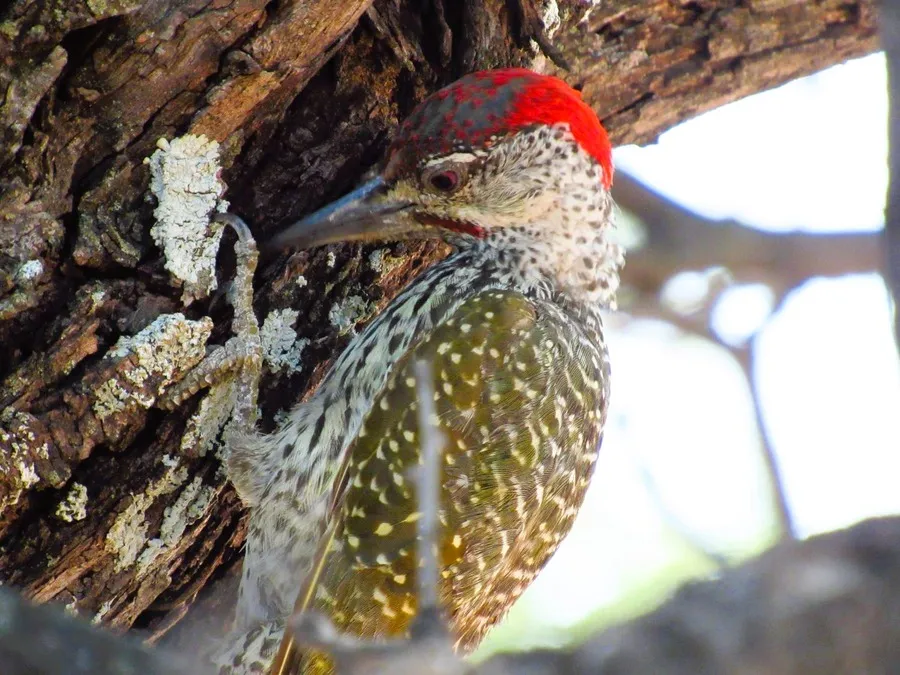
Where: In southwest Botswana, the park lies across the Botswana-South Africa border.
Getting there: A 4×4 is necessary to really explore the park. Expect deep sand, no fuel stops, and rustic camps with frequent hyenas visiting. Most travellers stock up in the town of Kang on their way in.
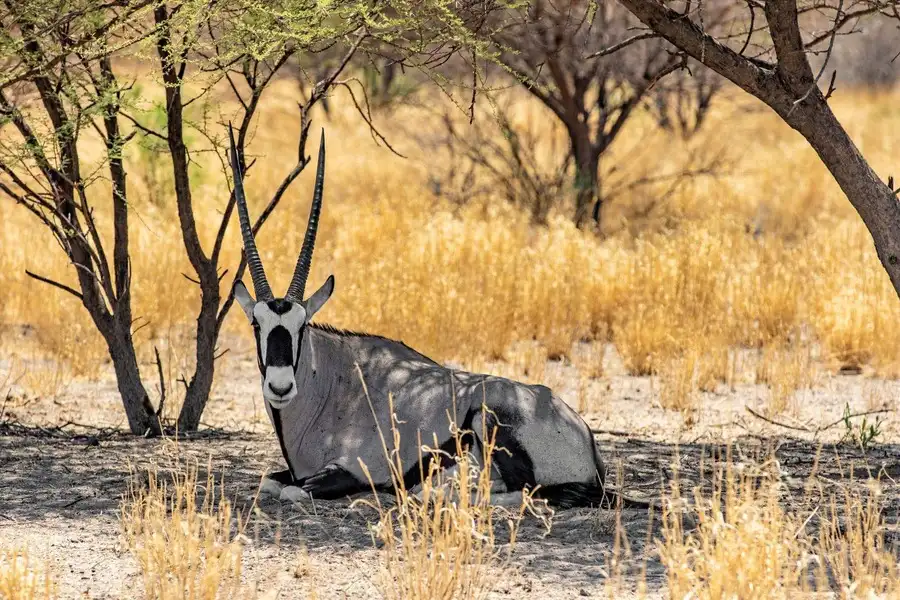
Why it’s a must‑see: Red dunes, camelthorn trees, and regal oryx silhouetted against the sky make for perfect wide‑angle photos.
Kgalagadi sees fewer visitors than many of the other parks in Botswana. Lions have been known to feel comfortable enough to wander past the deck of your tent while you enjoy your morning coffee. This is an unreal sight.
Pulling It All Together
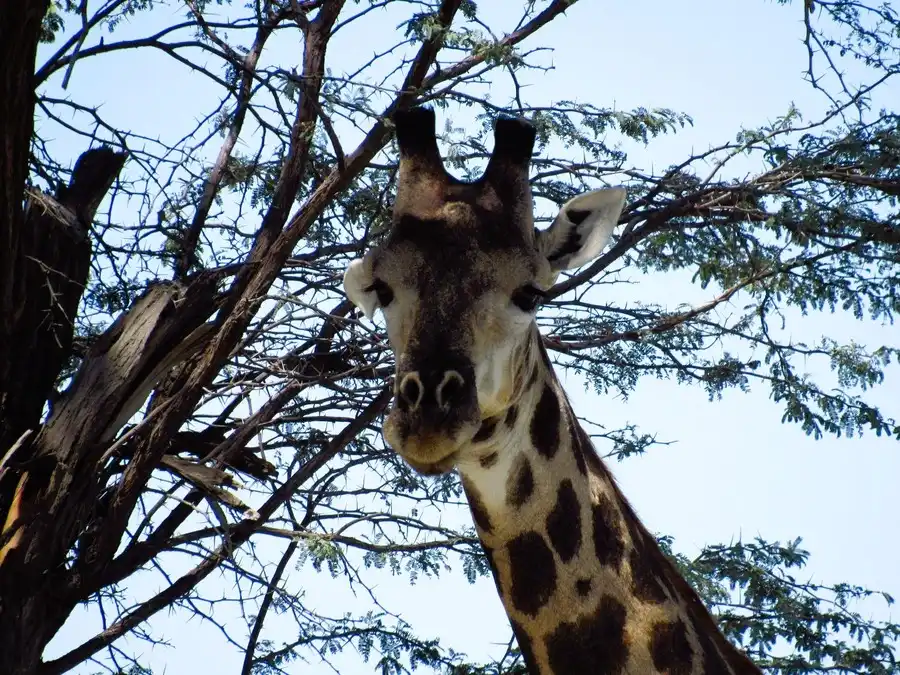
You’ll want to enjoy Botswana with a loose schedule. You just can’t plan for all of the wildlife encounters and crazy potholes you’ll come across.
But if you plan on visiting at least a few of these ten spots, you’ll sample the best of what the country offers – lush delta waterways, silent desert pans, ancient rock art, conservation success stories, and iconic wildlife.
Before you pack, keep these tips in mind:
Build in buffer time. Sand tracks, border checks, and the odd giraffe standing mid‑lane can add time that Google Maps can’t predict.
Match your plans to the seasons. Delta floods peak from June to August, and zebra herds march across Makgadikgadi and Nxai between December and March. Predators in the Kalahari are easiest to spot in the dry season, starting in May.
Pick your travel style. Fly‑in safaris save hours and lend an air of luxury; self‑driving costs less and lets you feel a genuine sense of adventure.
Dress in layers. Dawn can feel icy, easing into a scorching sunny midday. Having both a knit cap and short sleeves makes all the difference.
Pack extra memory cards and batteries. Between spectacular sunsets and the epic wildlife around every bend, you’ll fill them faster than you think.
A Final Word
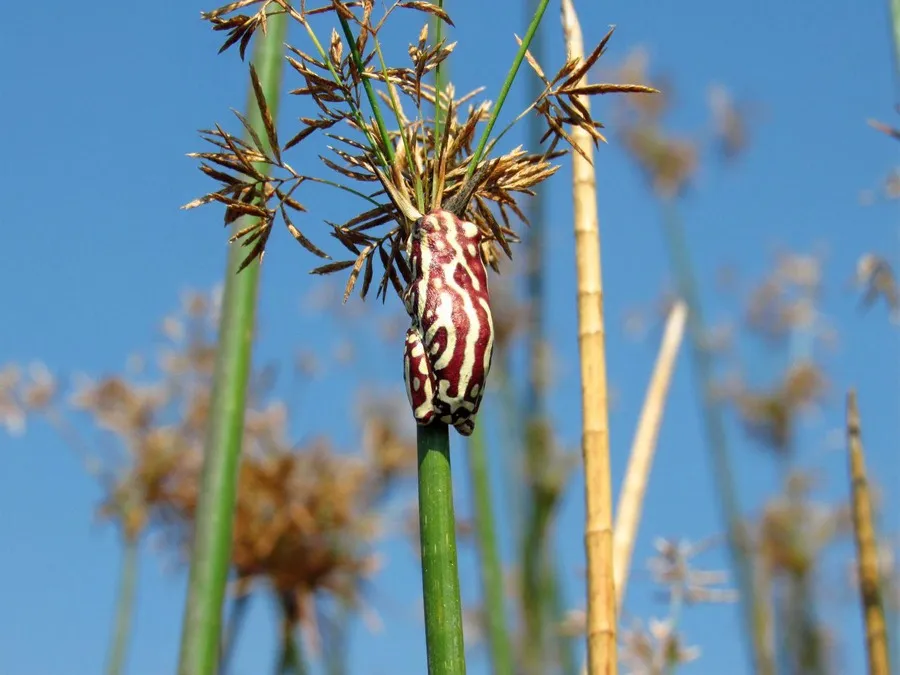
Botswana has woven conservation into its national fabric. About 40 % of the country is protected land, and its tourism model is purposefully “low‑impact, high‑value” – fewer beds, higher park fees, and strict concession limits.
For travellers in Botswana, that strategy pays off in quieter sightings and camps that barely leave a trace. You’ll enjoy close‑up moments with elephants and buffalo without a line of vehicles in the background, and you can feel good knowing your visit has helped keep the whole system running.
When your plane lifts off toward home, you’ll glimpse the Delta’s green fingers and the gleam of distant salt pans. You’ll likely be dreaming up routes for your next visit. That’s Botswana’s lasting gift: an open invitation to return, long after its red dust has settled in your shoes.
Related Posts on Top African Destinations
Discovering Kenya: A Week Of Beach & Bush)
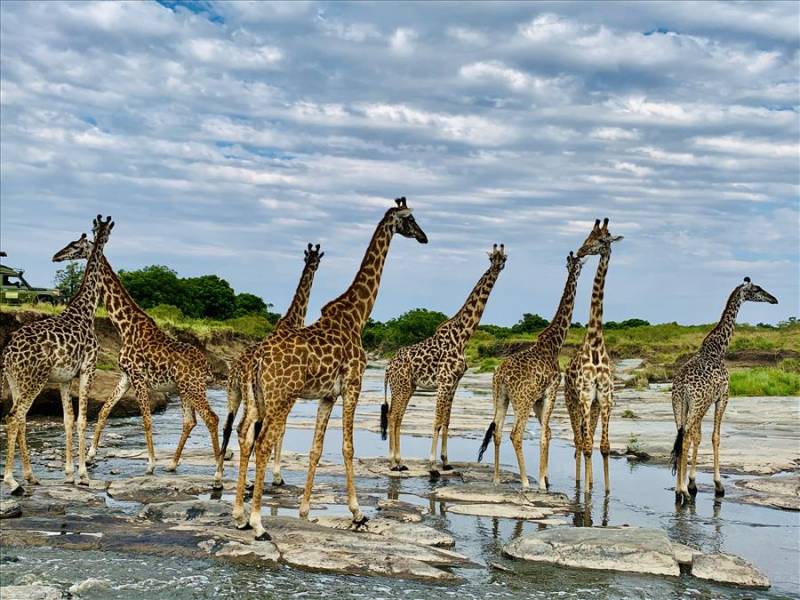
Where should you go if you’re on holiday in Kenya for a week or two? Kenya is synonymous with safari but there are lots of other things to do.
This is our selection of the best sights, 5 must-see places to visit in Kenya, a contrast of bush & beach adventure.
Morroco: Marrakesh Medina (Snake Charmers and Souks)
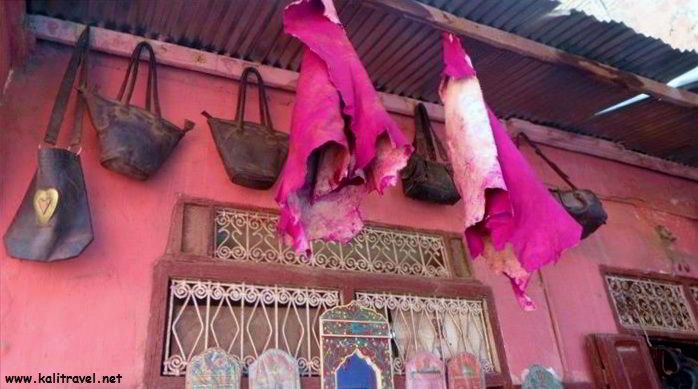
I’d always dreamed of seeing Marrakesh, imagining the legendary red-walled city that I’d only read about in novels or seen in those old-fashioned romantic movies…
Morroco: Cultural Heritage of Marrakesh Medina
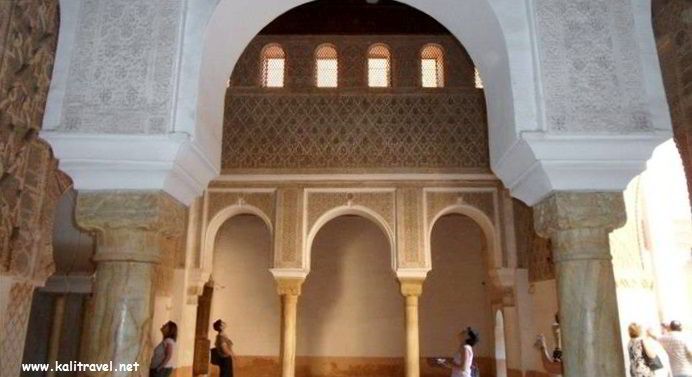
Cultures and Heritage Sites in Marrakesh Medina Next morning the narrow streets near our Riad are busy with kids going to school and mums food shopping at tiny kiosks, the men in their workshops or praying in the local mosques.
Best Women-Only Tour Destinations
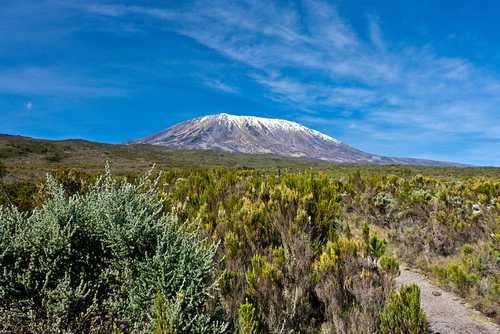
The best women-only tours in the world. See what to do in these top destinations for female travellers: Tanzania, Spain, Italy, Iceland, Croatia, Greek Islands…
Discover the World with  the blog with a focus on independent travel.

Botswana really seems to be a paradise for wildlife lovers! I’m particularly drawn to the Okavango Delta—it must be incredible to see all those animals up close. Also, the fact that you get to explore diverse landscapes, from the lush wetlands to the arid salt pans, really makes it a dream destination for nature enthusiasts.